
Best Payment Processor for Small Business: Affordable Transaction Solutions
Running a small business means every dollar counts, especially when it comes to processing customer payments. Choosing the right payment processor directly impacts your bottom line through transaction fees, setup costs, and monthly charges. Whether you're selling online, in-store, or both, finding affordable merchant services that don't compromise functionality is crucial.
Modern payment processors offer far more than simple credit card processing—they provide integrated POS systems, invoice tools, and analytics. But how do you select teh best option when dozens of providers promise similar features? We've analyzed popular payment gateways to help you make an informed decision based on cost, features, and reliability.
Square: Industry Leader in Mobile Payments
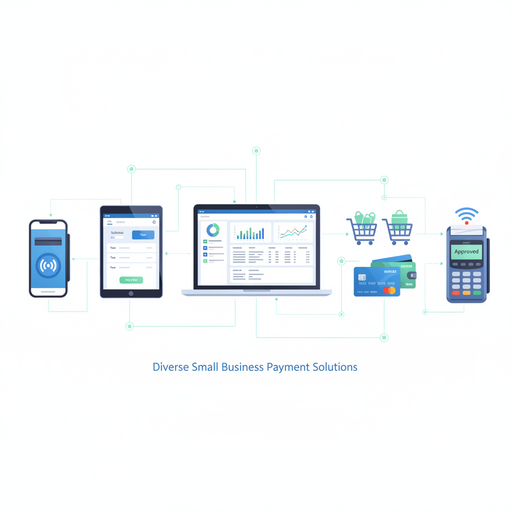
Square has revolutionized how small businesses accept payments since its launch. This provider offers transparent pricing without monthly fees, making it ideal for startups and micro-businesses. You'll pay 2.6% plus 10 cents per swipe, dip, or tap transaction, while online payments cost 2.9% plus 30 cents.
Why Small Businesses Choose Square
The free POS system includes inventory management, sales reports, and employee management tools. Square doesn't require long-term contracts or credit checks, allowing businesses to start accepting payments within minutes. The mobile card reader costs just $49, making it one of the most accessible entry points into merchant services.
Drawbacks to Consider
Higher-volume businesses might find transaction fees add up quickly compared to subscription-based models. Customer support primarily operates through email rather than phone, which some business owners find frustrating during urgent situations. Additionally, Square's account holds—while rare—have caused cash flow issues for certain merchants.
PayPal Business: Trusted Online Payment Gateway
PayPal dominates online payments, processing billions in transactions annually. Small businesses benefit from instant brand recognition—customers already trust PayPal and often prefer it over entering card details directly. The standard rate of 2.99% plus 49 cents per transaction remains competitive, especially considering no monthly fees exist.
Integration and Flexibility Benefits
PayPal integrates seamlessly with major e-commerce platforms like Shopify, WooCommerce, and BigCommerce. Businesses can accept payments through invoices, email, or website checkout buttons. International transactions become simpler since PayPal operates in 200+ markets, handling currency conversion automatically.
Limitations for Physical Retailers
While PayPal offers card readers, their in-person payment solutions lag behind competitors. The interface feels less intuitive for brick-and-mortar operations compared to dedicated POS systems. Transaction fees on smaller purchases eat into profit margins more significantly than flat-rate monthly plans.
Stripe: Developer-Friendly Transaction Processor
Stripe caters to businesses requiring customization and advanced payment gateway features. This processor charges 2.9% plus 30 cents per successful card charge, matching industry standards. However, Stripe's real value lies in its powerful API and extensive documentation, enabling businesses to create tailored checkout experiences.
Advanced Features for Growing Businesses
Subscription billing, marketplace payments, and multi-currency support come standard. Stripe Radar provides machine learning-based fraud detection, protecting businesses from chargebacks. The platform handles complex payment scenarios like split payments and delayed transfers that other processors struggle to accommodate.
Technical Requirements May Challenge Some
Non-technical owners often need developer assistance to fully implement Stripe's capabilities. Unlike Square or PayPal, there's no ready-made interface—you're building your own. Customer service focuses on technical documentation rather than hand-holding, which doesn't suit everyone's needs.
Shopify Payments: Seamless E-Commerce Integration
Shopify Payments eliminates third-party transaction fees when using Shopify's e-commerce platform. Rates start at 2.9% plus 30 cents but decrease as your monthly plan increases. This processor handles everything within your Shopify dashboard, streamlining operations considerably.
Built-In Advantages for Online Sellers
Managing orders, inventory, and payments happens in one place without juggling multiple platforms. Shopify Payments supports local payment methods across different countries, expanding market reach. The accelerated checkout feature increases conversion rates by remembering customer information securely.
Platform Dependency Considerations
You must use Shopify's e-commerce platform—this payment gateway won't work elsewhere. Switching platforms later means changing your entire payment infrastructure. Shopify charges additional fees ranging from 0.5% to 2% if you use external payment processors instead.
Choosing Merchant Services That Fit
Evaluating payment processors requires examining your specific business model and transaction volume. High-volume businesses benefit from monthly subscription plans that reduce per-transaction costs. Low-volume startups prefer pay-as-you-go models without fixed expenses.
Key Factors Beyond Transaction Fees
Settlement speed affects cash flow—some processors deposit funds within 24 hours while others take several days. Hardware costs matter for physical retailers needing multiple terminals or mobile readers. Consider whether you need features like recurring billing, invoicing, or multi-location support before committing.
Testing Before Full Commitment
Most payment processors offer free trials or demo accounts. Test the dashboard interface, report generation, and customer experience before processing real transactions. Read recent reviews focusing on customer service quality and account stability. Ever wonder why some businesses switch processors? Usually, it's poor support during critical moments rather than pricing alone.
Conclusion
Selecting among these five payment processors depends on your business structure and growth plans. Square excels at simplicity and mobility, PayPal leverages existing customer trust, Stripe offers customization depth, while Shopify Payments integrates perfectly with its platform.
Evaluate transaction fees alongside features, support quality, and settlement times. Your payment processor becomes a long-term partner affecting daily operations and customer satisfaction—choose wisely based on actual needs rather than marketing promises.